
Description
Overview of DMAA (1,3-Dimethylamylamine)
DMAA, also known as 1,3-dimethylamylamine, is a synthetic stimulant that has been linked to serious health risks. It was originally developed as a nasal decongestant but is now primarily marketed in dietary supplements for weight loss and athletic performance.
Health Risks Associated with DMAA
| Health Risk | Description |
|---|---|
| Heart Attack | Increased risk due to stimulant effects on the cardiovascular system. |
| Stroke | Reports of strokes in individuals using DMAA-containing products. |
| High Blood Pressure | DMAA can constrict blood vessels, leading to elevated blood pressure. |
| Liver Injury | Cases of liver damage have been reported in users. |
| Death | Several fatalities have been linked to the use of DMAA, especially during physical exertion. |
Legal Status of DMAA
DMAA is illegal for use in dietary supplements in many countries, including the United States. The FDA has issued warnings against products containing DMAA, citing safety concerns and the lack of reliable evidence supporting its safety.
Key Points
- Illegal Status: DMAA is not approved for use in dietary supplements.
- Health Advisory: Consumers are advised to avoid products containing DMAA due to potential health risks.
Conclusion
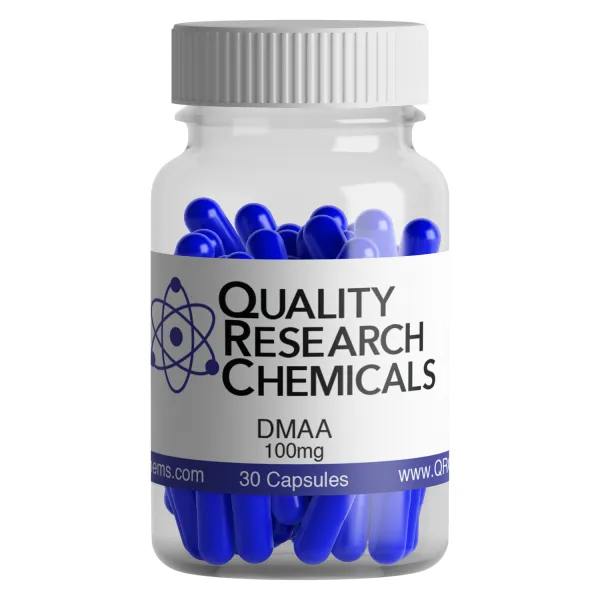
Given the serious health risks and its illegal status in dietary supplements, it is strongly recommended to avoid DMAA products, including those claiming to contain 100mg of DMAA in 30 capsules. Always consult with a healthcare professional before considering any supplement.

Reviews
There are no reviews yet.